Best Motorized Valve Types for Your Home System?
Motorized Valves play a crucial role in modern home systems. They control the flow of fluids, enhancing efficiency. According to a report by Global Market Insights, the motorized valve market is expected to grow significantly, with a compound annual growth rate (CAGR) exceeding 8% through 2026. This indicates a rising demand for more efficient home solutions.
In residential applications, motorized valves can help manage heating, cooling, and water supply systems. They automate operations and reduce energy wastage, which is essential in today’s eco-conscious environment. However, not all motorized valve types are suitable for every home. Selecting the right kind requires careful consideration of specific needs and system compatibility.
Many homeowners overlook the maintenance of motorized valves, which can lead to inefficiencies. A lack of understanding about their functionality may result in improper installations or inefficiencies in their use. Insights from industry experts highlight the importance of assessing performance over time. Engaging with a professional may clarify the nuances of selecting the best motorized valve for your home.
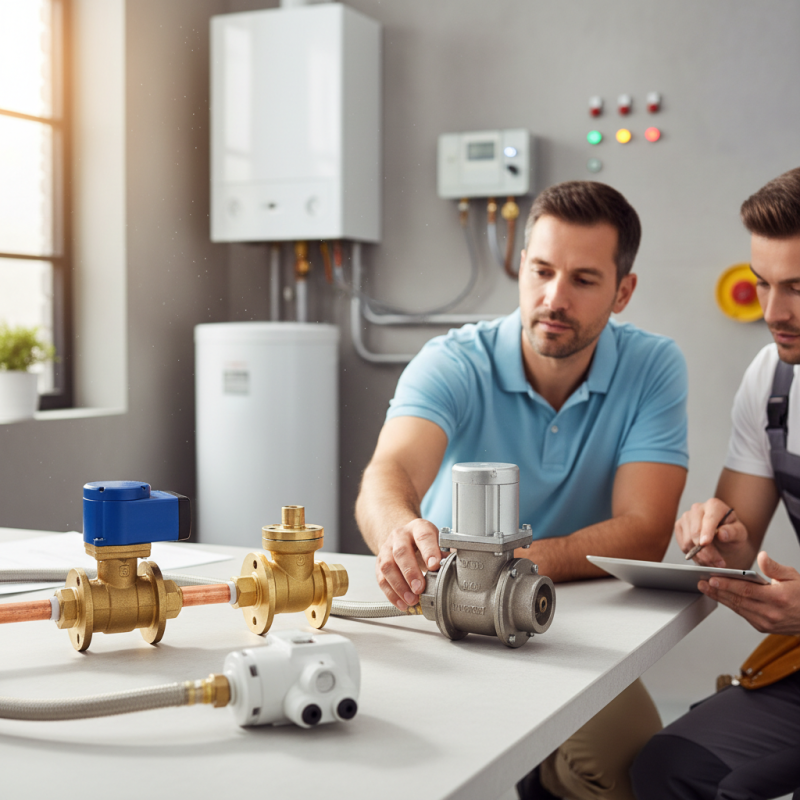
Understanding Motorized Valves and Their Function in Home Systems
Motorized valves play a crucial role in home systems, controlling the flow of liquids or gases. These valves can be found in various applications, including heating, cooling, and irrigation systems. By using electrical signals, motorized valves open or close, regulating the flow efficiently. This automation saves energy and enhances comfort, but it requires careful installation and maintenance.
When selecting motorized valves, consider the type needed for your specific application. There are gate, globe, and ball valves among others. Each type has its own advantages and drawbacks. For instance, ball valves offer quick shut-off but may not regulate flow as smoothly as globe valves. Understanding these differences is vital. Misunderstanding valve types can lead to inefficient systems or frequent repairs.
It's essential to monitor the performance of your motorized valves regularly. Over time, wear and tear can affect their function. Sometimes, a valve might stick or fail, causing issues in the system. Regular checks can prevent bigger problems later. Keep an eye on operational noise and responsiveness. Addressing small issues promptly ensures that your home system runs smoothly.
Best Motorized Valve Types for Your Home System
| Valve Type | Main Function | Best Suited for | Control Method | Typical Applications |
| Ball Valve | On/Off Control | Water Supply | Electric Actuator | Heating Systems |
| Gate Valve | On/Off Control | Large Pipe Systems | Manual or Electric | Domestic Water Supply |
| Globe Valve | Flow Regulation | Heating & Cooling | Electric or Pneumatic | Radiant Heating |
| Butterfly Valve | Flow Control | HVAC Systems | Electric or Pneumatic | Commercial and Industrial |
| Check Valve | Prevent Backflow | Water Pumps | Automatic | Sump Pumps |
Different Types of Motorized Valves: An Overview
When it comes to home systems, choosing the right motorized valve is essential. Motorized valves control the flow of fluids or gases. They help in heating, cooling, and irrigation systems. Understanding the various types available can make a significant difference.
One common type is the two-way valve. It’s simple and efficient for either stopping or allowing fluid flow. Three-way valves are also popular. They can manage flow in multiple directions, which is perfect for complex systems. Moreover, there are globe valves, known for their good throttling capabilities. Each type has its specific application and benefits.
Tips: Always assess your system's needs before selecting a valve type. Consider the pressure and temperature of the fluids involved. Remember, larger isn't always better. Sometimes, a smaller valve might fit your needs more efficiently.
Installation can be tricky. Ensure the valve orientation matches the system requirements. Incorrect installations can lead to leaks or system failures. Reading the manual attentively can mitigate these issues. Don't overlook the importance of regular maintenance. A neglected valve can fail when needed most.
Factors to Consider When Choosing Motorized Valves for Your Home
When selecting motorized valves for your home system, several factors should be considered. One important aspect is the type of media the valve will control. Water, gas, and oil each have different requirements. A recent industry report states that nearly 30% of home systems face issues due to improper valve selection. Understanding the specific needs of your system can prevent these problems.
Another key factor is the valve's compatibility with your control system. Motorized valves come in various designs, including on/off and modulating types. Depending on your system's complexity, you may need an advanced modulating valve. Ensure your control system can accommodate the valve type you choose. Miscommunication between components often leads to inefficiencies.
Tip: Always check the actuator power requirements. Some systems demand higher voltage, which can complicate installation.
The installation environment also plays a significant role. Factors such as temperature, humidity, and space constraints can affect performance. According to a recent study, around 25% of motorized valves fail due to environmental stressors. It’s crucial to assess the installation site carefully and account for potential issues.
Tip: Consult with professionals if you're unsure about the best options. Their insight can save you from costly mistakes.
Installation and Maintenance Tips for Motorized Valves
When considering motorized valves, installation is key. Choose a location that is accessible. This makes future maintenance easier. Ensure that the valve is compatible with your system type. Measure carefully before purchase. Using incorrect dimensions can lead to issues. Be prepared for some trial and error during the installation.
Routine maintenance is essential. Check for leaks every few months. Valves can wear down over time. Addressing small issues can prevent larger problems. Sometimes a simple cleaning is enough to restore functionality. Dust and debris can obstruct proper function. Ensure that your valve is powered correctly; any electrical issues can complicate operations.
Remember that troubleshooting may be necessary. Sometimes valves can stick or malfunction. Don't panic if this happens. Reviewing the manual can provide insight. If symptoms persist, consult a professional. Patience is important. Finding the right solution can take time and effort. Embrace the learning process as you improve your home system.
Comparative Analysis of Motorized Valve Brands and Models
When evaluating motorized valves for home systems, it’s essential to consider various models. These valves control water and air flow effectively. The design of each can influence efficiency and longevity. Some valves operate quietly, while others might create noticeable noise. You should decide what matters most for your comfort.
Different types of motorized valves include ball, butterfly, and gate valves. Ball valves offer a reliable seal, ensuring minimal leakage. Butterfly valves are compact, making them ideal for tight spaces. However, they may not handle extreme pressures as well. Gate valves perform exceptionally, but they are slower to open and close.
Understanding the technical specifications is crucial. Look for durability, operation speed, and compatibility with your system. Some models come with easy-to-read indicators. Others feature smart technology for remote control. However, the more advanced features may lead to more complexities. Consider how much maintenance you’re willing to perform over time.