Why Choose a Double Eccentric Butterfly Valve for Your System?
In today's industrial landscape, choosing the right valve is crucial for system efficiency. The double eccentric butterfly valve stands out for its design and functionality. According to expert Emily Johnson, “The double eccentric butterfly valve offers superior sealing capabilities that traditional valves simply cannot match.” This statement resonates deeply in various applications, from water treatment to power generation.
The double eccentric butterfly valve operates with a distinct mechanism. It reduces friction to enhance performance. This unique feature also extends the valve's lifespan, making it a cost-effective choice for many facilities. However, it is essential to acknowledge that not all systems are ideal for this type of valve. Some may experience difficulty during installation or maintenance.
Understanding the drawbacks and advantages of the double eccentric butterfly valve is vital. While it provides improved flow control, users must carefully consider their specific needs. Dismissing the importance of this valve could lead to operational inefficiencies. In a competitive industry, making informed choices is paramount.
Key Features of Double Eccentric Butterfly Valves
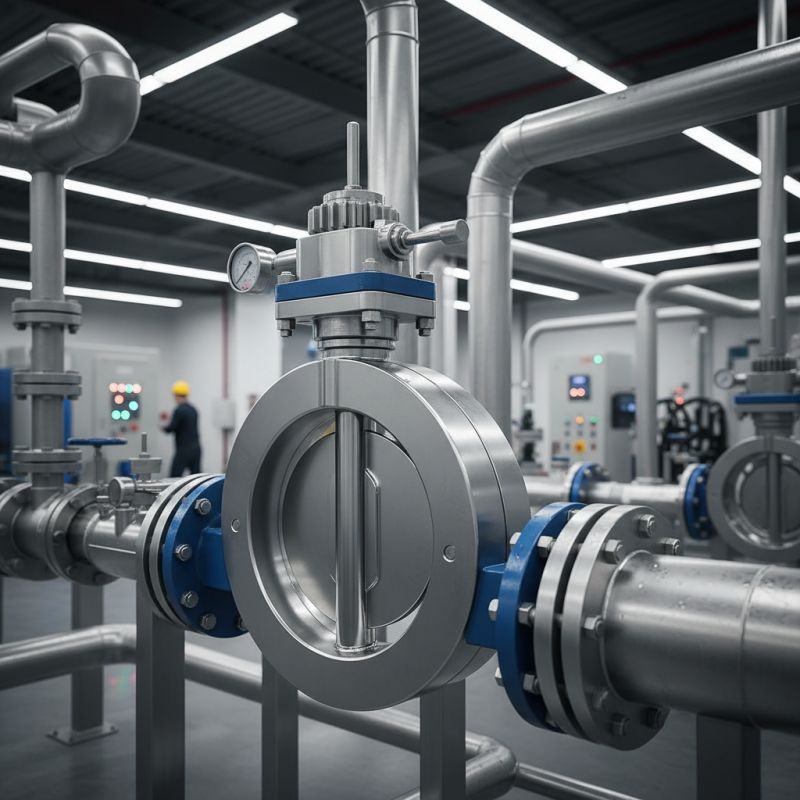
Double eccentric butterfly valves are gaining popularity in various industries. Their unique design offers enhanced performance and reliability. One of the main features is the unique geometry of the disc. This creates a more efficient flow path. The flow turbulence is reduced, leading to better energy savings.
Another key feature is the reduced wear on sealing surfaces. Unlike other valve types, double eccentric valves minimize contact during operation. This reduces friction and prolongs the lifespan of the valve. The result is lower maintenance costs over time. Moreover, these valves often provide a tighter shut-off, reducing leakage.
Size and weight are important too. Double eccentric butterfly valves are lightweight compared to traditional valves. Their compact design allows for easier installation in tight spaces. However, not all applications need such features. Users should analyze their specific requirements. Sometimes, the cost may outweigh the benefits. Careful consideration is essential for optimal selection.
Advantages of Using Double Eccentric Design in Valves
Choosing a double eccentric butterfly valve can significantly enhance your system's efficiency. The double eccentric design minimizes friction during operation. This leads to reduced wear over time. Additionally, it allows for a tighter seal when closed, which prevents leaks effectively.
One advantage of this design is its ability to handle a wide range of pressures. This versatility is crucial in various industries. Moreover, the unique geometry helps in smooth flow control. Operators often find that these valves respond better to changes in pressure. However, some users have noted that installation can be tricky. Proper alignment is essential for optimal performance.
The lightweight materials used in double eccentric valves also offer benefits. They reduce the load on pipelines, minimizing stress. Despite these advantages, some maintenance is still required. Regular inspections help catch early signs of wear. Overall, the double eccentric butterfly valve stands out for its design and utility.
Applications of Double Eccentric Butterfly Valves in Various Industries
Double eccentric butterfly valves have gained popularity in multiple industries due to their unique design and functionality. These valves are ideal for high-performance applications, particularly in water treatment and chemical processing. The double eccentric design allows for smooth operation, minimizing wear and tear. This shows how thoughtful engineering can lead to better solutions.
In the oil and gas industry, these valves effectively control flow, even under high pressure. They are lightweight and compact, making them easier to install in tight spaces. However, improper installation can lead to significant issues. It's crucial to ensure correct alignment during setup to avoid leaks.
Tips: Regular maintenance is essential. Inspect seals and gaskets often. Look for signs of wear. Take the time to analyze your system's specific needs before choosing the right valve. Every application is unique, and understanding this can prevent costly mistakes.
Applications of Double Eccentric Butterfly Valves in Various Industries
Comparison of Double Eccentric vs. Traditional Butterfly Valves
When considering valves for industrial applications, the choice often narrows down to double eccentric butterfly valves and traditional butterfly valves. Double eccentric designs feature a unique shape that allows the disc to move away from the seat during operation. This design minimizes wear and tear. Traditional butterfly valves, in contrast, may encounter issues with seat damage due to constant friction.
In a double eccentric valve, you may experience less turbulence. This can enhance flow efficiency significantly. In high-pressure environments, the double eccentric design prevents harsh conditions from affecting performance. However, traditional valves might struggle under similar circumstances. Their simple construction can lead to quick degradation. This is not an ideal factor in long-term operations.
While double eccentric butterfly valves offer improved durability and reliability, they can be more complex and costly. This might lead to hesitation in choosing them. Not every operation requires advanced engineering. It’s crucial to weigh the benefits against potential drawbacks. Will the investment result in long-term savings? This is a question that needs careful consideration.
Maintenance and Performance Considerations for Double Eccentric Valves
When considering a double eccentric butterfly valve, maintenance is crucial. These valves can provide excellent performance, but they might require special attention. Regular inspections help in identifying wear and potential leaks. A well-maintained valve improves overall efficiency. If neglected, minor issues can escalate into major failures. Ensuring that seals and bearings are in good condition is important.
Performance-wise, double eccentric butterfly valves excel in high-pressure applications. They have a unique design that minimizes friction. This results in less wear over time. However, using them in unsuitable conditions can lead to problems. High temperatures or corrosive environments could affect longevity. Proper material selection is vital and should not be overlooked. It’s a balance of cost and performance.
Investing in quality installation techniques is another consideration. Misalignment during installation can cause operational issues. Regular training for maintenance staff can help avoid common pitfalls. Performance metrics should be monitored regularly. Keeping a close eye on flow rates can reveal underlying issues. This proactive approach can make a significant difference.