How to Choose an Injection Molding Machine With Robot?
In the world of manufacturing, selecting the right equipment is crucial. "Choosing an Injection Molding Machine With Robot is a blend of precision and automation," states Peter Chang, a renowned expert in the field. His insights highlight the importance of this choice.
An Injection Molding Machine With Robot can significantly enhance production efficiency. Integrating robotics into the molding process minimizes human error. It also reduces cycle time and improves product quality. However, many struggle to understand their specific needs. The decision involves numerous factors like production volume, material type, and complexity of design.
Yet, mistakes can happen. Some companies may overlook the compatibility between the machine and the robot. Others might misjudge their investment capacity. In this evolving industry, staying informed is essential. Wouldn't it be wise to consider expert advice when making such important choices? Understanding the value of an Injection Molding Machine With Robot is the key to future success.
Understanding the Basics of Injection Molding Machines and Robots
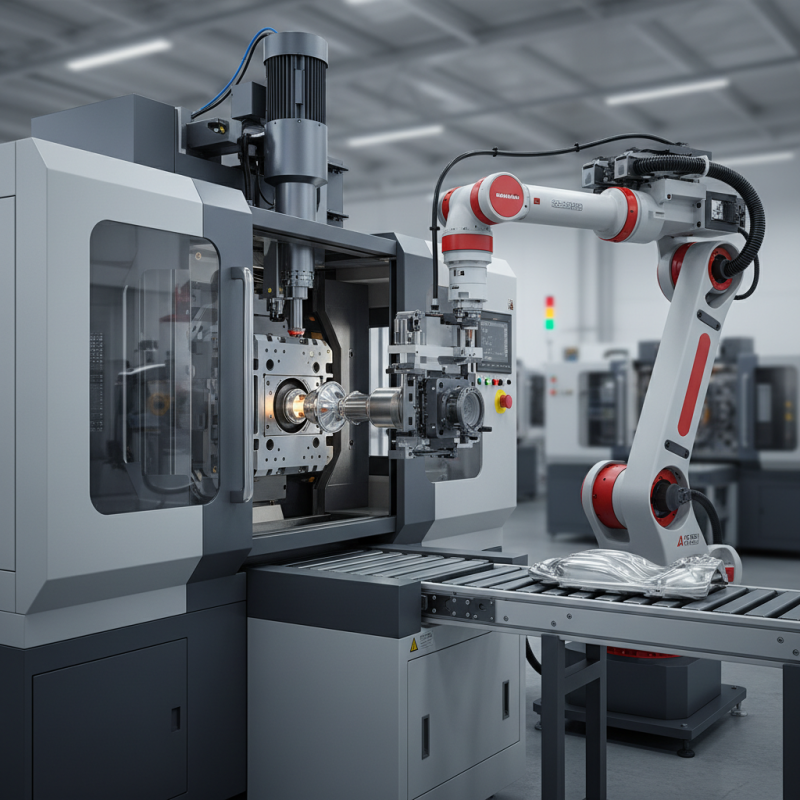
Choosing the right injection molding machine involves understanding its components and their functions. Injection molding machines are designed to melt plastic pellets and inject the molten material into a mold. The key components include a hopper, screw, barrel, and mold. Each part plays a crucial role in shaping the final product. Robots are increasingly integrated into this process to enhance productivity.
Robots can automate the removal of finished parts from molds. This reduces cycle time and minimizes manual labor. They also improve consistency and reduce defects in manufacturing. However, choosing the right robot can be challenging. Factors like payload, reach, and precision are vital. Assessing the specific needs of production is critical, as not all robots are suitable for every application.
The integration of robots is not without its pitfalls. Improperly programmed robots can slow down production. Misalignment between the robot and the injection machine can cause delays. These issues require careful planning and ongoing adjustments. Evaluating the capabilities of both the molding machine and the robot is essential for a successful setup.
Evaluating Production Needs: Choosing the Right Machine Specifications
Choosing the right injection molding machine is crucial for optimizing production. It’s essential to evaluate your specific needs before making a decision. Factors like production volume, material type, and product design play a significant role in this process. According to a report by the Plastics Industry Association, 75% of manufacturers struggle to find a machine that fits their exact specifications.
Consider machine size and capacity carefully. A machine that is too small may lead to frequent downtime. Conversely, oversized machines can waste energy and resources. For instance, a machine operating at 80% capacity is ideal. It allows for some growth, yet avoids excessive waste.
**Tips:** Always assess the energy efficiency of a machine. Energy-efficient models can lead to significant savings over time. Look for machines with servo motors. They can reduce energy consumption by up to 30%. Also, review the integration potential with robots. A cohesive system can enhance throughput and flexibility.
Evaluate your long-term production goals. Flexibility can be more valuable than a single high-output scenario. For example, a machine that can switch between different materials or shapes is often preferable. Data from the International Society of Plastics Engineers suggests that flexibility is a critical factor for 60% of manufacturers. Balancing short-term needs with future demands requires careful thought.
Assessing Automation Levels: Integrating Robots with Injection Molding Machines
Integrating robots with injection molding machines can greatly enhance productivity. A report from the Association for Manufacturing Technology indicates that automation can increase production efficiency by up to 30%. However, choosing the right level of automation is critical. Not all processes require extensive robotic integration. Some operations might only need basic assistance, while others may demand full automation.
When assessing automation levels, consider the complexity of your production line. More complex molds often benefit from advanced robots equipped with AI. These robots can handle intricate tasks and reduce human error. Companies should evaluate their specific needs carefully. High upfront costs for advanced systems can be daunting, but the long-term savings often justify the investment. A key issue is balancing initial costs against potential downtime and inefficiencies.
Nevertheless, not all implementations go smoothly. Many businesses face challenges in worker training and system integration. Misalignment between human operators and robotic systems can lead to substantial issues. Reports show that 40% of automation initiatives fail due to poor compatibility. Clear communication and robust planning are essential. Companies need to reflect on potential adjustments throughout the automation process to minimize these risks.
Analyzing Cost Considerations: Investment vs. Long-Term Savings in Automation
When considering the integration of robotic technology with injection molding machines, cost is a critical factor. The initial investment can be substantial. High-end machines often have higher price tags. However, many manufacturers overlook long-term savings. Robots can enhance efficiency and reduce labor costs over time.
Employing robots can minimize waste and improve output quality. For instance, they can operate continuously, reducing cycle times. This efficiency leads to faster production and less downtime. However, companies must evaluate maintenance costs and potential downtime due to equipment failures. An unexpected breakdown could negate initial savings.
Cost analyses should include the total cost of ownership. Automation can lead to substantial financial benefits. Yet, it's important to remember that these benefits are not immediate. There may be a learning curve for operators. Investing in training is also essential. Skipping this step can hinder the effectiveness of automation.
Exploring Key Manufacturers and Technologies in Injection Molding Automation
When selecting an injection molding machine with automation, understanding key technologies and manufacturers is essential. Automation enhances productivity and precision. Not all machines offer the same capabilities. Look for those that align with your specific production needs.
Tip: Invest time in research. Understand each technology's features and limitations. Some robots excel in speed, while others focus on flexibility. Evaluate your parts' complexity before making a decision. Visualize the workflow. Sketch how the robot will interact with the machine. This helps identify potential issues early.
In the realm of manufacturers, it's crucial to explore various options. Each has unique innovations to offer. Some companies focus on integrated systems, while others prioritize modular designs. Keep your budget in mind. Be wary of machines that seem too good to be true. They might not perform as expected.
Tip: Seek feedback from current users. They can provide insights into real-world performance and maintenance needs. Their experiences can illuminate pitfalls to avoid. A machine that looks perfect on paper may require more effort than anticipated. Be prepared for unexpected challenges.
Injection Molding Machines with Robots: Performance Analysis