What Is Freeze Dry Candy and How Is It Made?
Freeze Dry Candy has gained popularity in the confectionery market. This innovative treat offers a unique texture and flavor experience. According to a recent industry report, the global freeze-dried food market is projected to exceed $60 billion by 2025, highlighting rising consumer interest.
Freeze-drying involves removing moisture from candy, which intensifies flavors. The result is a product that is light, crunchy, and often more nutritious than traditional candy. Companies are strategically investing in this technology. The appeal lies not only in taste but also in shelf stability. In 2022, freeze-dried snacks saw a 15% increase in sales.
While Freeze Dry Candy is a novel option, it’s critical to consider its nutritional aspects. Some freeze-dried candies may still have high sugar content. Awareness of this helps inform consumer choices. The journey of freeze-dried products is still evolving, raising questions about their long-term impact on health and sustainability.
What Is Freeze Dry Candy?
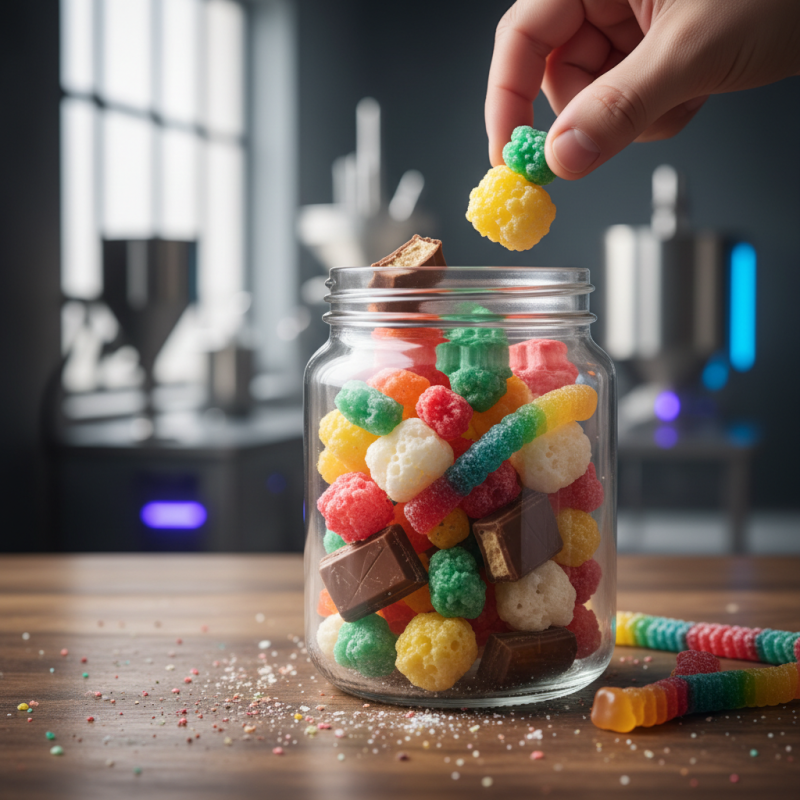
Freeze dry candy is a unique treat that offers a delightful twist on traditional sweets. This process removes moisture from candy through a method called sublimation. Essentially, the water in the candy is transformed from ice directly into vapor. This results in a crunchy texture that many find irresistible. Imagine biting into a piece of freeze dry candy. It’s light, airy, and full of intense flavor.
The creation of freeze dry candy involves several steps. First, the candy is prepared and cut into small pieces. Then, it’s placed in a freeze dryer. This machine lowers the temperature and creates a vacuum. During this time, the moisture evaporates without boiling the candy. It's remarkable how this preserves the taste while changing the texture so dramatically. Some aspects may not turn out perfect, however. Certain candies may lose their shape, becoming unrecognizable. Others might require trial and error. Achieving the right balance between flavor and texture can be challenging. Still, the end result is often worth the effort, creating a fun and novel candy experience.
The Science Behind Freeze Drying Process
Freeze drying is a fascinating process, particularly when it comes to candy. The science behind freeze drying involves removing moisture from food, preserving its structure and flavor. This technique typically starts with freezing the food at extremely low temperatures, usually around -40°F. Once frozen, the pressure in a vacuum chamber lowers, enabling ice to convert directly into vapor in a process called sublimation.
Research indicates that freeze-dried products retain up to 97% of their original nutrients. This is significant for ensuring that the candy remains delicious and safe for consumption. The process also enhances shelf life, making it popular in various industries. A study from the Journal of Food Science highlights that freeze-drying can extend shelf life for up to 25 years for certain food items. However, achieving perfect results can be tricky, as factors like temperature and pressure must be meticulously controlled.
Tips for those interested in making freeze-dried candy: start with simple items like fruits or marshmallows. Monitor the process closely to avoid over-drying. Some candies may turn too hard or lose texture if not monitored properly. Keep experimenting to find the right balance for your favorite treats. Be prepared to make adjustments each time, as consistency can be elusive with varying ingredients.
Ingredients Commonly Used in Freeze Dry Candy
Freeze dry candy is a unique treat that captures flavors and textures. The process requires specific ingredients that contribute to its delightful crunch and taste. Commonly used ingredients include fruits, candy, and sometimes even yogurt. Fresh fruits, like strawberries or bananas, work well. Their natural sweetness shines after freeze drying.
When it comes to candy, sugary options like gummy bears or marshmallows are popular. These elements transform into airy, crunchy versions of their original forms. The balance of moisture and sugar is essential for successful freeze drying. Yogurt is also a fascinating ingredient. It adds creaminess and, when freeze-dried, becomes a tasty, lightweight snack.
Not every ingredient works perfectly, though. Some high-water-content fruits might not maintain their flavor. Experimentation often leads to better results. It can be tricky to find the right balance. Creating freeze dry candy is an art that requires patience and practice. Each batch offers new surprises and lessons.
Step-by-Step Guide to Making Freeze Dry Candy
Freeze-drying candy is becoming popular. This method preserves sweetness while enhancing flavor. The process involves removing moisture from the candy. It makes the final product lightweight and crunchy.
To make freeze-dried candy, start with your choice of sweets. Popular options include gummy bears, marshmallows, and fruits. Cut them into small pieces for even drying. The next step is crucial—placing them in a freeze dryer. This appliance works by freezing the candy. Then, it creates a vacuum to remove moisture. According to industry reports, the freeze-drying market is projected to grow by 10% every year. This indicates rising interest in the technique.
Once the candies are dried, the texture will surprise you. They should feel light and airy. However, not all candies behave the same way. Some might not achieve the desired crunch. Experimentation is key in this process. You may discover that certain candies work better than others. Regular monitoring is needed to avoid over-drying.
Popular Types and Flavors of Freeze Dry Candy
Freeze dry candy offers a unique twist on traditional sweets. This process removes moisture while preserving flavor and texture. Popular types include freeze-dried fruit and candy-coated snacks. Imagine biting into a freeze-dried strawberry. It bursts with flavor, yet its texture is airy and crisp. Many enjoy these as a healthy snack option.
Many flavors are now available. Options range from classic strawberry and banana to more exotic choices like dragon fruit and mango. The flavors intensify during the freeze-drying process. Some may find the texture takes a moment to adjust to. It can feel quite different compared to regular candy. Freeze-dried candies also maintain a long shelf life, making them great for camping or travel.
Innovative candy makers experiment with combinations. Sweet and salty flavors can surprise your palate. Sometimes, though, the balance can be off. A hint of salt may overpower sweetness. These creations spark curiosity and invite feedback. Consumers often celebrate the creativity, but they also provide constructive comments on flavor balance.