What is a geomembrane welding machine and how does it work?
In the world of construction and environmental protection, the geomembrane welding machine plays a critical role. Expert Dr. John Marshall, a leader in liner technology, emphasizes, “Quality welding is essential for durability and performance.” This highlights the machine's importance in ensuring strong bonds between geomembranes used in various applications.
When looking at a geomembrane welding machine, one must consider its functionalities. The machine utilizes hot and cold techniques to join sheets of geomembrane material. It creates a watertight seal, vital for landfills, ponds, and containment structures. This equipment can vary in size and capability, depending on the project’s scale.
Yet, challenges persist in the industry. Not all machines deliver consistent results. Some users have reported difficulties in achieving the desired weld strength. This inconsistency emphasizes the need for proper training and careful operation. As the demand for sustainable infrastructure grows, understanding the geomembrane welding machine becomes crucial for success.
What is a Geomembrane Welding Machine?
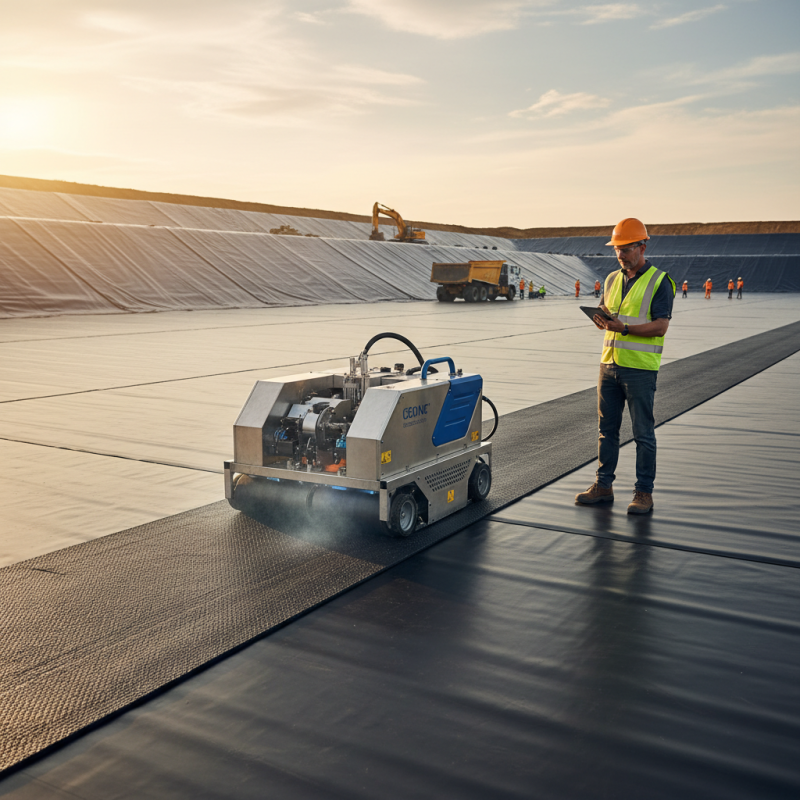
A geomembrane welding machine is a vital tool in various industries. It is used to weld geomembrane materials that are essential for containment and waterproofing applications. These machines apply heat to the edges of geomembranes, fusing them together to create a seamless barrier. The process ensures strength and durability in applications like landfill liners, pond liners, and natural resource containment systems.
According to industry reports, the global geomembrane market is expected to reach USD 5 billion by 2026, growing at a compound annual growth rate (CAGR) of 10%. This growth highlights the importance of effective geomembrane welding. Precise welding techniques lead to better containment solutions, which are crucial for environmental safety and resource management.
Tips: Always ensure that the geomembrane is clean before welding. Dirt and debris can lead to weak seams. Regular maintenance of the welding machine is important. A well-maintained machine will perform better and last longer. Remember to conduct quality tests on welds. Weak seams can compromise the entire project.
Key Components of a Geomembrane Welding Machine
A geomembrane welding machine is essential for various projects. It is designed to create strong, durable seams in geomembrane materials. The efficiency of these machines lies in their key components. Understanding these components helps users optimize performance.
The heating element is crucial. It generates the temperature needed to melt the geomembrane material. This ensures a proper bond when the two pieces are joined. The pressure rollers apply the necessary pressure to fuse the materials securely. They help to eliminate air pockets and ensure a tight seam. Each component must work in harmony for effective welding.
Control systems also play a significant role. They allow operators to adjust temperature and speed settings. Fine-tuning these parameters affects the quality of the weld. However, users must be cautious. Incorrect settings can lead to weak seams. Regular maintenance is also vital. Neglecting upkeep can lead to machine failures. Each part requires attention to detail for optimal results.
What is a geomembrane welding machine and how does it work? - Key Components of a Geomembrane Welding Machine
| Component | Description | Function |
| Welding Head | The part that applies heat and pressure to the geomembrane. | To join two pieces of geomembrane securely. |
| Control System | A system that regulates the temperature, speed, and pressure of the welding process. | To ensure accurate welding parameters for quality joints. |
| Heating Element | The component that generates heat needed for softening the material. | To achieve the right temperature for successful welding. |
| Pressure Roller | A tool that applies consistent pressure to the weld line. | To ensure a strong bond between the geomembrane layers. |
| Drive System | Mechanism that operates the movement of the welding machine. | To guide the welding head across the geomembrane accurately. |
Principles of Operation in Geomembrane Welding
Geomembrane welding machines play a vital role in the construction of containment systems. Understanding their principles of operation helps in better applications. These machines primarily use heat and pressure to create strong, impermeable seams in geomembranes. The process often involves various welding techniques, such as hot air or extrusion welding.
In hot air welding, the machine directs heated air to the seam area. A pressure roller then presses the geomembrane edges together. The National Institute of Standards and Technology reported that effective seam strength can exceed 90% of the material’s strength when done correctly. This efficiency reduces the risk of leaks in projects such as landfill liner installations or water containment systems.
Extrusion welding involves melting a filler material that bonds the geomembranes. Typically, operators must maintain specific temperature ranges to ensure optimal adhesion. A study highlighted that improper temperature control can weaken the seam integrity. It’s crucial for operators to remain vigilant. Errors in technique can lead to costly repairs and environmental risks. Understanding these dynamics is essential for enhancing project outcomes in geomembrane applications.
Types of Geomembrane Welding Techniques
Geomembrane welding machines play a crucial role in constructing barriers. These machines use different welding techniques to ensure impermeable linings for various applications. Understanding these techniques is essential for selecting the right method for your project.
One common method is extrusion welding. This technique melts plastic material, allowing it to adhere firmly to geomembranes. It's effective for joints and repairs. However, this method can be inconsistent if not executed properly. Inadequate heat or feed rate can cause weak seams.
Another popular technique is hot wedge welding. It involves using a heated wedge to join two geomembrane sheets. This method provides strong bonds and is often used in large projects. Yet, it can be challenging in windy conditions. Maintaining precise control is critical.
Tip: Always test seams before full application. This ensures quality and durability.
Finally, radio frequency welding is worth mentioning. It uses electromagnetic waves to create high-frequency vibrations that weld geomembranes. It's suitable for thinner materials but requires specialized equipment. Production setups can be complex and require careful planning.
Tip: Consider environmental factors. Temperature and humidity can affect welding quality. Adjust your methods accordingly.
Geomembrane Welding Techniques
Applications of Geomembrane Welding Machines in Industry
Geomembrane welding machines are essential in many industries. These machines are primarily used to join geomembranes, which are critical for lining various structures. The applications span across landfill covers, mining operations, and water reservoirs. According to a report by the Geosynthetic Materials Association, the increase in global geomembrane market size was estimated to reach USD 3 billion by 2025. This growth is driven by heightened environmental regulations and the need for effective waste containment solutions.
In landfills, geomembranes prevent leachate from contaminating groundwater. The welding machines ensure tight, durable seams that withstand pressure and environmental stressors. In mining, they serve to line tailings ponds, reducing the risk of toxic leakages. It's notable that, despite advancements, improper welding can lead to failures. Data indicates that up to 15% of geomembrane installations may face issues due to inadequate seam integrity.
Water resource management also benefits from these machines. They are used to line irrigation canals, which can significantly reduce evaporation losses. However, the quality of welding can vary, impacting effectiveness. Continuous training for operators is needed to enhance skills and minimize errors. Addressing these challenges remains crucial for the industry's growth and environmental sustainability.