What is a Lamination Machine and How Does It Work?
A Lamination Machine is a crucial tool for businesses that need to protect printed documents. Susan Harris, an industry expert, once said, "Lamination machines are the unsung heroes of presentation." This highlights their importance in ensuring durability and a professional appearance for important materials.
The Lamination Machine operates by encasing documents in plastic film. This encasement creates a barrier against moisture, wear, and tearing. It is commonly used in offices, schools, and print shops. The machines vary in size; some are compact for home use, while others are large and industrial.
Many people overlook the potential challenges with these machines. For example, incorrect settings can lead to bubbles or uneven lamination. Users must continuously adapt and learn to use machines effectively. A Lamination Machine can be a valuable asset, but it requires careful handling. Emphasizing mastery over the machine can lead to better results in document preservation.
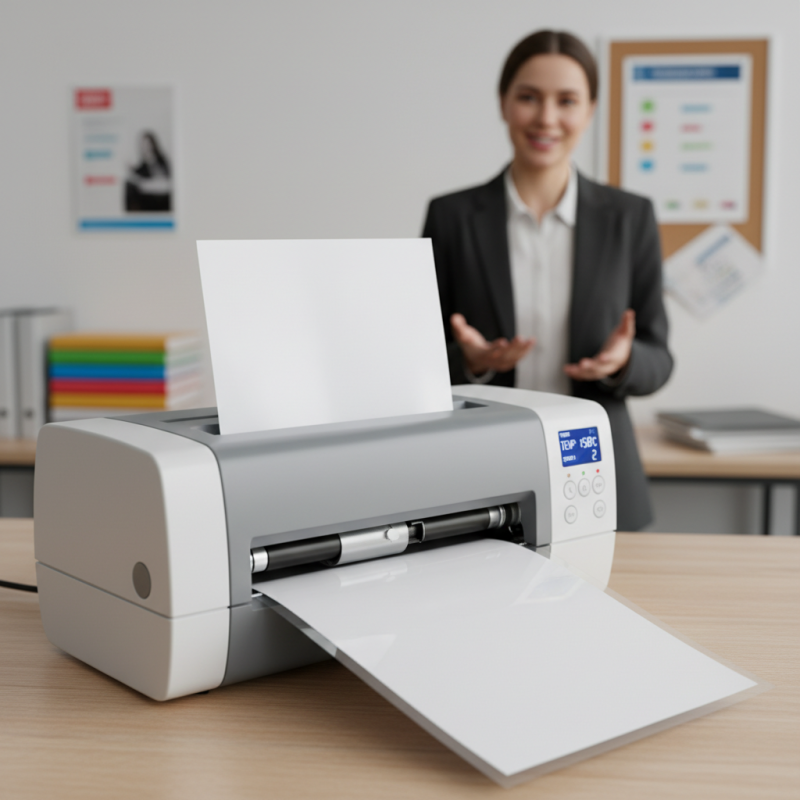
What is a Lamination Machine?
A lamination machine is a device that encapsulates documents. It uses heat and pressure to bond a plastic film to each side of the material. This process protects the paper from moisture, dirt, and wear. Commonly used in offices and schools, these machines preserve important documents.
Operating a lamination machine may seem simple. You load the document into the machine, select the desired temperature, and wait for the process to finish. However, achieving the perfect lamination requires practice. Too much heat can warp the paper. Too little may result in bubbles or separation. It's essential to adjust settings based on the material being used.
Users should also pay attention to film thickness. Thicker films offer more durability, but they can be more challenging to handle. If one is not careful, documents may get misaligned. It’s worth noting that not all machines have the same capabilities. Researching the right type for specific needs is crucial for effective lamination.
The Components of a Lamination Machine
A lamination machine is essential for finishing processes. It protects paper and other materials, adding durability. Understanding the components helps users appreciate its function.
The key parts include the heat source, rollers, and laminating film. The heat source, often electric, melts the adhesive in the film. This allows it to bond with the material effectively. Rollers apply pressure, ensuring sheets flow evenly. They can sometimes jam, requiring users to adjust settings. Not all machines have quality rollers, which may cause uneven lamination.
Laminating film is another critical component. It comes in varying thicknesses and finishes. Choosing the right film can be tricky. A too-thin film might not provide adequate protection. Too thick? It may not adhere properly. Experimenting with different options is necessary for optimal results. An imperfect choice can lead to frustrating outcomes, highlighting the need for careful consideration.
Lamination Machine Usage by Industry
Understanding the Lamination Process Step-by-Step
Lamination is a process that protects documents and materials. It involves encasing an item between two layers of plastic. This method adds durability, making items resistant to wear and tear. The process generally uses heat and pressure to bond the layers tightly.
To begin, the document is placed in a lamination pouch. The pouch contains two plastic sheets, which will fuse during the laminating process. The machine then heats up, melting the adhesive within the plastic. As it cools, the layers bond, encapsulating the document. It's important to adjust the settings based on thickness. If done incorrectly, the results might be unsatisfactory.
Users often overlook the importance of clean surfaces. Dust or debris can lead to bubbles, compromising the finish. Moreover, cutting pouches too close to the edge can result in peeling. A slight misalignment can ruin an otherwise perfect lamination. Practicing the process helps improve results. Mistakes lead to better understanding and mastery. Keeping a close eye on the outcome is essential for refining one's technique.
Types of Laminating Techniques and Their Applications
Laminating techniques are diverse and widely used across various industries. The main types include hot lamination, cold lamination, and pressure-sensitive lamination. Each method has unique advantages and applications. According to a 2022 market analysis, the global laminating machine market size was valued at $1.2 billion, with a growth rate of over 4% annually.
Hot lamination is favored for its durability. It involves applying heat and pressure to bond layers together effectively. This technique is ideal for documents that require protection against moisture and wear.
Cold lamination, on the other hand, uses adhesive films and is popular for items sensitive to heat. It allows for a quicker process, but it may not provide the same longevity as hot lamination. A report states that cold lamination usage has increased by 15% due to its efficiency in packaging.
Pressure-sensitive laminating methods add versatility. These are commonly found in signage and graphics applications. They allow for easier installation and repositioning. However, this technique may lead to less permanent results. Users often express frustration when the laminate doesn’t adhere well over time. Reflecting on these methods, industries must weigh the benefits against potential pitfalls. Understanding these nuances is key to choosing the right technique for specific needs.
Maintenance and Safety Tips for Lamination Machines
Lamination machines are essential in many industries. They help protect documents, cards, and materials. However, proper maintenance and safety are crucial for optimal performance.
Regular cleaning is essential for lamination machines. Dust and adhesive residue can affect functionality. Use a soft cloth to wipe down the rollers. For deeper cleaning, consult your machine's manual. Ignoring this might cause uneven lamination.
Check the temperature settings before starting a job. Overheating can damage both the material and the machine. Aim for optimal temperature, generally between 250°F to 350°F, based on the material type. Too hot? You risk burning the edges. Too low? The lamination may peel off later.
Safety should never be overlooked. Always wear protective gloves when handling hot materials. Hot surfaces can lead to serious burns. Keep the workspace clear of clutter to avoid accidents. These basic steps seem simple but can prevent costly mistakes.