How to Optimize Tandem Cold Rolling Mill Performance?
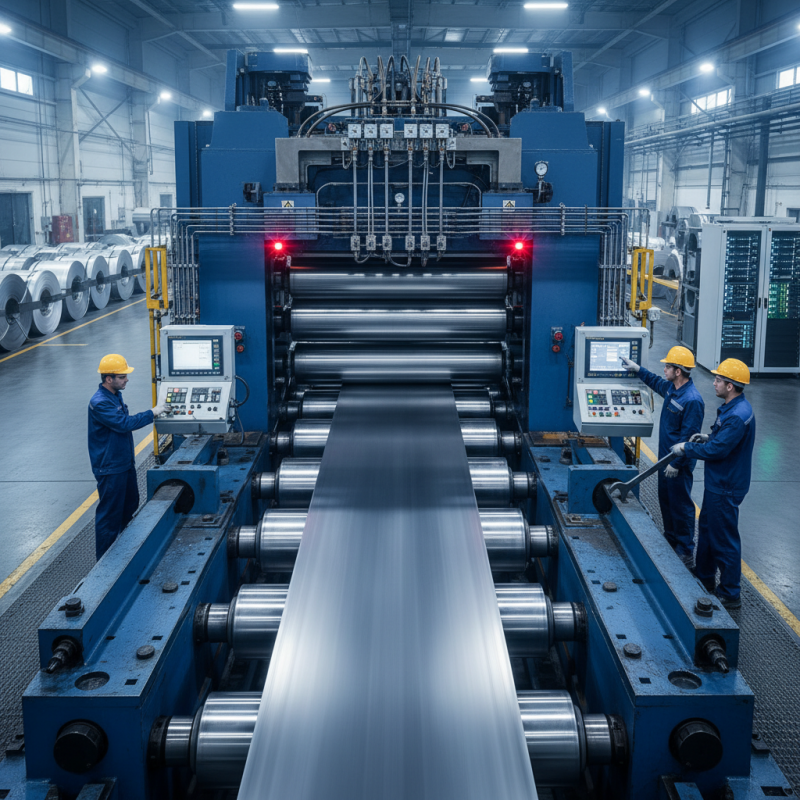
The performance of a tandem cold rolling mill is crucial in the metalworking industry. This process involves reducing the thickness of metal strips through a series of rollers. Efficiency in this system directly impacts production costs and product quality.
Many factors influence the output of a tandem cold rolling mill. Temperature control, strip tension, and roller alignment are pivotal. However, optimizing these aspects is not always straightforward. It often requires trial, error, and constant adjustments.
Moreover, operators must regularly evaluate their practices. Small changes can lead to significant improvements, yet the right path is not always clear. Investing in technology and training can enhance overall performance, but these initiatives also require reflection on what methods truly work. Balancing between new innovations and traditional techniques often presents challenges that need careful consideration.
Understanding the Basics of Tandem Cold Rolling Mill Operations
Tandem cold rolling mills are pivotal in producing high-quality sheet metal. They utilize multiple rolls to reduce thickness efficiently. This process significantly improves material properties like strength and surface finish. According to industry data, a typical rolling mill can achieve thickness reductions exceeding 90%. However, achieving optimal performance requires a deep understanding of operational nuances.
One key factor is roll gap settings. An inconsistent gap can lead to defects in the final product. A study revealed that incorrect roll gap settings contribute to a 15% increase in scrap rates. This highlights the need for precise adjustments during the rolling process. Additionally, lubricant quality plays a significant role. Poor lubrication can cause defects such as tearing or wrinkling, impacting mill efficiency.
Another consideration is temperature control. Adequate temperature during rolling can enhance material ductility. Reports indicate that maintaining a consistent temperature reduces the likelihood of material fatigue. However, many mills struggle with temperature regulation, leading to unintended variations in product quality. Operators often need to revisit their temperature management strategies to ensure reliability and minimize waste.
Key Factors Affecting Tandem Cold Rolling Mill Performance
The performance of tandem cold rolling mills hinges on several critical factors. One major element is the roll gap control. Accurate adjustments can significantly enhance product quality. A study from the Steel Institute shows that a mere 1% change in roll gap can lead to a 3% variation in thickness uniformity. This variation can affect downstream processes, leading to more scrap and increased production costs.
Another essential factor is lubrication. Effective lubrication minimizes friction, reducing wear on rolls and improving surface finish. Insufficient lubrication can cause roll deflection and uneven sheet thickness. Research indicates that improving lubrication technology can increase productivity by up to 15%. However, achieving optimal lubrication requires continuous monitoring and adjustments, which can be resource-intensive.
Lastly, temperature control in the rolling zone is crucial. Maintaining proper temperature reduces material hardness, allowing for smoother rolling. Inconsistent temperatures can lead to defects and reduced productivity. A recent report revealed that fluctuations in temperature could decrease yield by 5% to 10%. This highlights the need for robust temperature management systems to ensure consistent product quality and efficient operation.
Optimizing Tandem Cold Rolling Mill Performance
This chart illustrates key factors affecting the performance of tandem cold rolling mills, including the impact of rolling speed, entry thickness, and strip width on yield efficiency.
Techniques for Enhancing Efficiency in Tandem Cold Rolling Mills
Optimizing performance in tandem cold rolling mills requires a keen focus on efficiency techniques. Recent industry reports indicate that improving operational efficiency by even 5% can lead to significant cost savings. One method to enhance productivity is to adjust roll gaps carefully. Improper roll gap settings can lead to product defects and increased energy consumption. Data shows that 70% of quality issues can be traced back to these misalignments.
Another technique involves predictive maintenance. By using sensors and machine learning, mills can anticipate equipment failures before they occur. A study found that predictive maintenance can reduce downtime by 15%. However, there's often a challenge in integrating these advanced technologies with existing systems. Some mills struggle to analyze the vast data generated, which can hinder performance improvements.
Employee training plays a crucial role in mill efficiency too. Skilled operators can make quick decisions that enhance product quality and reduce waste. Reports suggest that mills investing in training programs see performance boosts of up to 20%. Yet, many operators lack comprehensive training on new technologies. This gap can result in operational inefficiencies and missed optimization opportunities.
How to Optimize Tandem Cold Rolling Mill Performance? - Techniques for Enhancing Efficiency in Tandem Cold Rolling Mills
| Technique | Description | Expected Efficiency Gain (%) | Implementation Timeline |
| Process Control Automation | Automating the control of rolling parameters to enhance uniformity and reduce errors. | 15-20% | 3-6 months |
| Roll Design Optimization | Redesigning rolls to improve performance and material flow. | 10-15% | 6-12 months |
| Predictive Maintenance | Using data analytics to predict equipment failures and schedule maintenance proactively. | 5-10% | Ongoing |
| Heat Treatment Enhancements | Optimizing the heat treatment process to improve material properties before rolling. | 8-12% | 3 months |
| Operator Training Programs | Enhancing skills and knowledge of operators to optimize mill performance. | 7-10% | 1-2 months |
Maintenance Strategies for Optimal Tandem Cold Rolling Mill Functionality
When it comes to optimizing the performance of a tandem cold rolling mill, maintenance strategies play a vital role. Regular inspections help identify wear and tear before they escalate into major repairs. According to industry reports, nearly 42% of production downtime results from mechanical failures. A proactive approach can significantly decrease this figure.
Tips: Schedule monthly machine audits. Keep a detailed log of maintenance actions. This can aid in spotting recurring issues.
Implementing predictive maintenance strategies can also enhance functionality. By utilizing vibration analysis and temperature monitoring, mills can detect potential failures early. Data indicates that predictive maintenance can minimize unplanned shutdowns by up to 30%. However, not all plants invest in technological upgrades, often leading to inefficient operations.
Tips: Train staff on diagnostic tools. Ensure they can interpret data effectively.
Lastly, consider the importance of lubrication. Over time, operators may neglect oil checks, risking equipment lifespan. A lack of proper lubrication can reduce efficiency and shorten intervals between breakdowns. Regular oil analysis is crucial for maintaining optimal performance.
Tips: Establish a routine for oil changes. Monitor lubrication levels frequently.
Monitoring and Analyzing Performance Metrics in Cold Rolling Mills
Monitoring and analyzing performance metrics in cold rolling mills is crucial for optimal operations. Real-time data collection helps identify inefficiencies. For instance, a recent industry report indicated that improper tension control can lead to up to 20% material wastage. Such losses highlight the need for constant monitoring and adjustment.
Key metrics include strip thickness, speed, and surface quality. Regularly analyzing these metrics can improve yield and reduce downtime. Interestingly, a common oversight is the lack of analysis frequency. Many mills only review stats weekly. This delay in analysis can prevent timely interventions that might save time and resources.
Moreover, operators must adjust their focus on specific indicators. Not all metrics are equally significant. For example, an increase in defects may signal bigger issues upstream. Mills should adopt a holistic approach to data analysis, ensuring all areas are interconnected. A piecemeal approach often leads to missed opportunities for improvement.