What is an Overflow Valve Block and How Does it Work?
In hydraulic systems, the "Overflow Valve Block" plays a crucial role. It ensures system safety by managing fluid pressure. According to industry reports, over 25% of hydraulic system failures relate to pressure issues. This highlights the importance of reliable overflow valves.
An Overflow Valve Block works by redirecting excess fluid away from critical components. This prevents damage and prolongs equipment life. However, improper setup can lead to malfunctions. Reports indicate that up to 30% of overflow valves don’t operate efficiently due to installation errors. Such issues can cause significant operational downtime.
The functionality of an Overflow Valve Block is vital for machinery in various sectors. Industries relying on hydraulics must ensure proper maintenance. Yet, many overlook these essential components. Understanding their operation can prevent costly failures. A proactive approach is necessary for optimal system performance.
What is an Overflow Valve Block?
An overflow valve block is a critical component in hydraulic systems. It controls fluid pressures and manages the flow of hydraulic fluids. Essentially, this unit prevents excessive pressure buildup, which could lead to system failures. Over the years, studies have shown that systems without proper overflow mechanisms are prone to 30% more downtime.
Understanding the functionalities of an overflow valve block is essential. It typically consists of various interconnected valves and sensors. These components work together to monitor and regulate fluid pressure. For instance, if pressure exceeds the desired limit, the overflow valve opens to release excess fluid. Research indicates that effective pressure management can enhance equipment lifespan by up to 25%, showcasing the importance of this component.
However, not all systems are resilient. Some operators overlook regular maintenance of the overflow valve block. Neglecting this can decrease efficiency and increase operational costs. An alarming report noted that poor maintenance practices could lead to a 40% higher risk of hydraulic failure. Operators need to reflect on their maintenance strategies to ensure optimal performance.
The Purpose and Function of an Overflow Valve Block
An overflow valve block is crucial in various hydraulic systems. Its primary function is to prevent excessive pressure buildup. By diverting fluid, it maintains safe operational levels. This mechanism protects equipment and ensures smooth system function. Reports indicate that nearly 30% of hydraulic failures result from pressure issues. An effective overflow valve block can significantly reduce these risks.
Regular maintenance is essential for optimal performance. A blockage or dirt can hinder a valve's function. Periodically check and clean the valve block to ensure it operates correctly. Even slight neglect can lead to costly repairs. A proactive approach saves time and money.
Tips: Always inspect for wear. A worn valve may fail under pressure. Ensure all connections are tight. Loose connections can lead to leaks. Observing these details enhances the reliability of the system. Keeping records of your maintenance can also help identify recurring issues. Remember, small changes can lead to large outcomes.
Components of an Overflow Valve Block
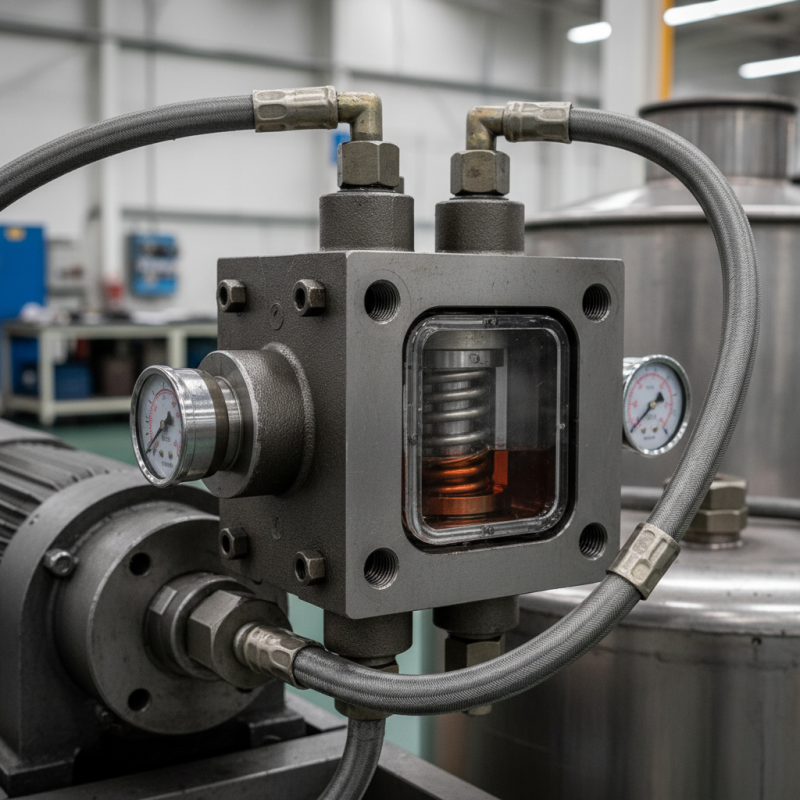
An overflow valve block is crucial for managing pressure within hydraulic systems. It prevents over-pressurization, ensuring the safety and functionality of equipment. The main components include the valve body, spring assembly, and seal. Each part plays a key role in synchronization.
The valve body houses the core mechanism of the overflow valve. It directs fluid flow while withstanding high-pressure conditions. The spring assembly determines the pressure setting. When the pressure exceeds a certain limit, the spring compresses and opens the valve. This releases excess fluid, maintaining system balance. Seals are vital for preventing leaks and ensuring energy efficiency.
**Tips:** Regular maintenance of the seals can prevent leaks. Check the spring's tension frequently to ensure optimal performance.
Understanding the components can improve your system's reliability. Inadequate attention to any part can lead to failures. Reports show that up to 30% of hydraulic system failures are due to overlooked components. Be proactive about inspections to avoid costly downtime.
What is an Overflow Valve Block and How Does it Work? - Components of an Overflow Valve Block
| Component | Description | Function |
| Overflow Valve | A device that controls the pressure in a hydraulic system by allowing fluid to escape if the pressure exceeds a predetermined limit. | Prevents damage to the hydraulic system by regulating pressure. |
| Spring | A mechanical component that provides resistance against fluid pressure. | Sets the pressure threshold for the overflow valve to open. |
| Adjustment Screw | A screw mechanism that allows for precise control of spring tension. | Enables users to change the pressure setting of the overflow valve. |
| Body | The main structure that houses the internal components of the overflow valve. | Provides integrity and support to the entire assembly. |
| Inlet Port | The entry point for hydraulic fluid into the valve. | Facilitates the flow of fluid into the valve for pressure control. |
| Outlet Port | The exit point for hydraulic fluid when the valve opens. | Allows excess fluid to escape, maintaining safe pressure levels. |
How Overflow Valve Blocks Manage Pressure
Overflow valve blocks play a vital role in managing pressure within hydraulic systems. These devices help maintain safe pressure levels, preventing damage to other components. They work by diverting excess fluid back to the reservoir. When pressure exceeds a preset limit, the overflow valve opens. This action immediately reduces pressure, ensuring stability within the system.
Understanding how overflow valve blocks manage pressure can significantly improve system efficiency. They act as a safety net, regulating pressure to avoid leaks or bursts. This is crucial in hydraulic machinery, where pressure fluctuations can cause severe issues. Inadequate pressure management may lead to system failure or costly repairs. Regular maintenance of these valves can prevent unexpected downtimes.
Tip: It's essential to monitor the condition of the overflow valve. Check for signs of wear that might affect performance. Small leaks can cause significant problems if unnoticed. Ensure that fluid levels are adequate, as low fluid can lead to malfunction. Always refer to your system's specifications for optimal pressure settings. Regular inspection and proactive care can save time and resources.
Applications of Overflow Valve Blocks in Industries
Overflow valve blocks play a crucial role in various industries. They help regulate fluid pressure in hydraulic systems. This feature is vital for maintaining system efficiency. In sectors like manufacturing, construction, and agriculture, these components are indispensable. They prevent machinery from malfunctioning due to excess pressure. For instance, the global hydraulic equipment market is projected to reach $52.4 billion by 2025, highlighting the rising demand for effective pressure regulation.
In oil and gas industries, overflow valve blocks are essential for safety. They ensure that any excess fluid is rerouted safely, preventing potential disasters. According to a recent report by the International Energy Agency, the demand for safer drilling technologies is increasing. This creates a strong need for reliable overflow valves. Such components not only enhance operational safety but also lead to cost savings. Their proper functioning can reduce system downtime significantly.
Interestingly, while these valves are effective, they sometimes face design flaws. Some overflow valves may not open or close at the correct pressure. This inconsistency can lead to operational inefficiencies. Addressing such design challenges is crucial for improving overall system performance. A recent study highlighted that nearly 15% of hydraulic failures stem from faulty valves. This prompts reflection on the importance of reliable design and quality assurance in manufacturing overflow valve blocks.
Applications of Overflow Valve Blocks in Different Industries