What is Print Inspection and How Does it Work?
Print Inspection is a critical process in the printing industry. It ensures that printed materials meet quality standards. Experts like Dr. Emily Carter emphasize its importance, stating, "Effective Print Inspection can prevent costly errors before they reach the customer."
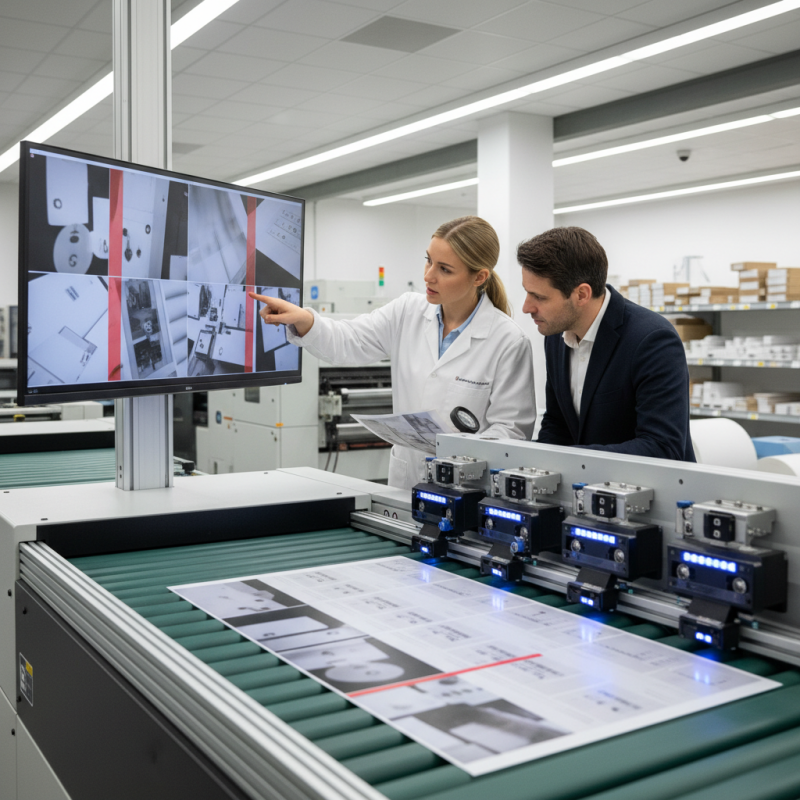
In Print Inspection, machines capture images of printed items. These images are analyzed for defects and inconsistencies. Attention to detail is crucial. A small flaw can lead to customer dissatisfaction and financial loss. Many printers still overlook this aspect, risking their reputation.
Furthermore, the technology is evolving. Automated systems promise higher accuracy rates. Yet, reliance solely on machines can be flawed. Human oversight remains essential to catch subtle errors machines might miss. Reflection on the integration of technology and human skills is necessary to achieve the best results in Print Inspection.
What is Print Inspection?
Print inspection is a vital process in the printing industry. It ensures that printed materials meet specific quality standards. This process involves checking for defects, color consistency, and clarity. Operators visually inspect the prints or use advanced technology for better accuracy.
During print inspection, several aspects are scrutinized. Color variation can be subtle but significant. A slight shift in hue may affect the final product's appeal. Additionally, defects like scratches or smudges can go unnoticed if not inspected thoroughly. Even minor flaws can lead to customer dissatisfaction.
Challenges often arise in the print inspection process. Equipment may malfunction, leading to oversights. Human error can also play a role. Sometimes, inspectors may become complacent after repeated checks. Improving the process requires constant vigilance. Regular training for operators can help maintain high standards. Each print must be treated with care to deliver quality results.
The Importance of Print Inspection in Quality Control
Print inspection plays a vital role in quality control. It ensures that printed materials meet specific standards before reaching consumers. This process identifies defects such as smudges, color discrepancies, or misalignment. These issues can negatively impact brand perception and customer satisfaction. Visual inspection alone may not catch all mistakes. Automated inspection systems aid human operators in this task.
Investing in print inspection technology can seem daunting. Nonetheless, the benefits outweigh the challenges. Operators may face learning curves and occasional technical glitches. This is part of the process. A robust system not only enhances quality but also boosts efficiency. Each print run becomes an opportunity for improvement. A consistently inspected production line fosters a culture of quality that encourages reflection on every detail.
Even with advanced systems, human error can slip in. Regular training and updates on inspection protocols remain critical. Stakeholders must balance automation with human oversight. This balance can lead to continuous improvement in the print industry. Quality control, when prioritized, transforms print inspection into a cornerstone for success.
Key Technologies Used in Print Inspection
Print inspection is essential in the printing industry. It ensures that every printed product meets quality standards. Various technologies aid this process. Image recognition software plays a significant role. It scans print materials for defects or inconsistencies. High-resolution cameras capture details. These images are analyzed in real time for quality assurance.
One must consider the importance of lighting. Proper illumination enhances the clarity of scanned images. Poor lighting can lead to missed flaws. Operators should adjust their setups according to the printed material. This might involve trial and error. It’s a crucial step for achieving optimal results.
Data analysis also helps identify patterns in defects. By tracking recurring issues, operators can address root causes. Keep in mind the importance of regular machine maintenance. Neglecting this can lead to more problems later. A clean, well-maintained machine works more efficiently. Small changes can make a big difference in output quality.
Print Inspection Quality Metrics
Step-by-Step Process of Print Inspection
Print inspection is a crucial process in the printing industry. It ensures that each printed piece meets quality standards. The step-by-step process begins with setting up inspection equipment. This includes cameras that capture high-resolution images of the print. The initial step involves calibrating these cameras to ensure optimal performance.
Next, the sample prints are examined closely. Trained operators look for color accuracy and alignment. They check for any smudges, streaks, or missing prints. During this phase, it’s easy to miss small defects. A second pair of eyes can help. Sometimes, a fresh perspective reveals issues that were initially overlooked.
After the initial review, operators document their findings. Each defect is recorded for future reference. This step is vital for continuous improvement. The process can be time-consuming, and mistakes can happen. It’s essential to remain vigilant. The goal is to identify problems before the final product is delivered. This ensures that clients receive the highest standard of quality.
Common Challenges and Solutions in Print Inspection
Print inspection plays a crucial role in ensuring quality. However, several common challenges can arise during the process. One significant issue is detecting subtle print defects. These can include color variations or misalignment. Traditional inspection methods may miss these nuances, leading to potential quality concerns.
Another challenge is the integration of new technology. While automation improves efficiency, it can create a learning curve for staff. Training is essential, yet time-consuming. Sometimes, the technology fails to meet expectations, resulting in frustration. Additionally, managing data from inspections can become overwhelming. A streamlined approach is necessary for better analysis.
Lastly, maintaining consistent standards can be tricky. Equipment wear and tear can impact performance. Regular maintenance and calibration are required. It's vital to encourage open communication among team members. This fosters a culture of quality and continuous improvement. Addressing these challenges requires attention and adaptability.
Recognizing flaws in the current process is the first step toward effective solutions.